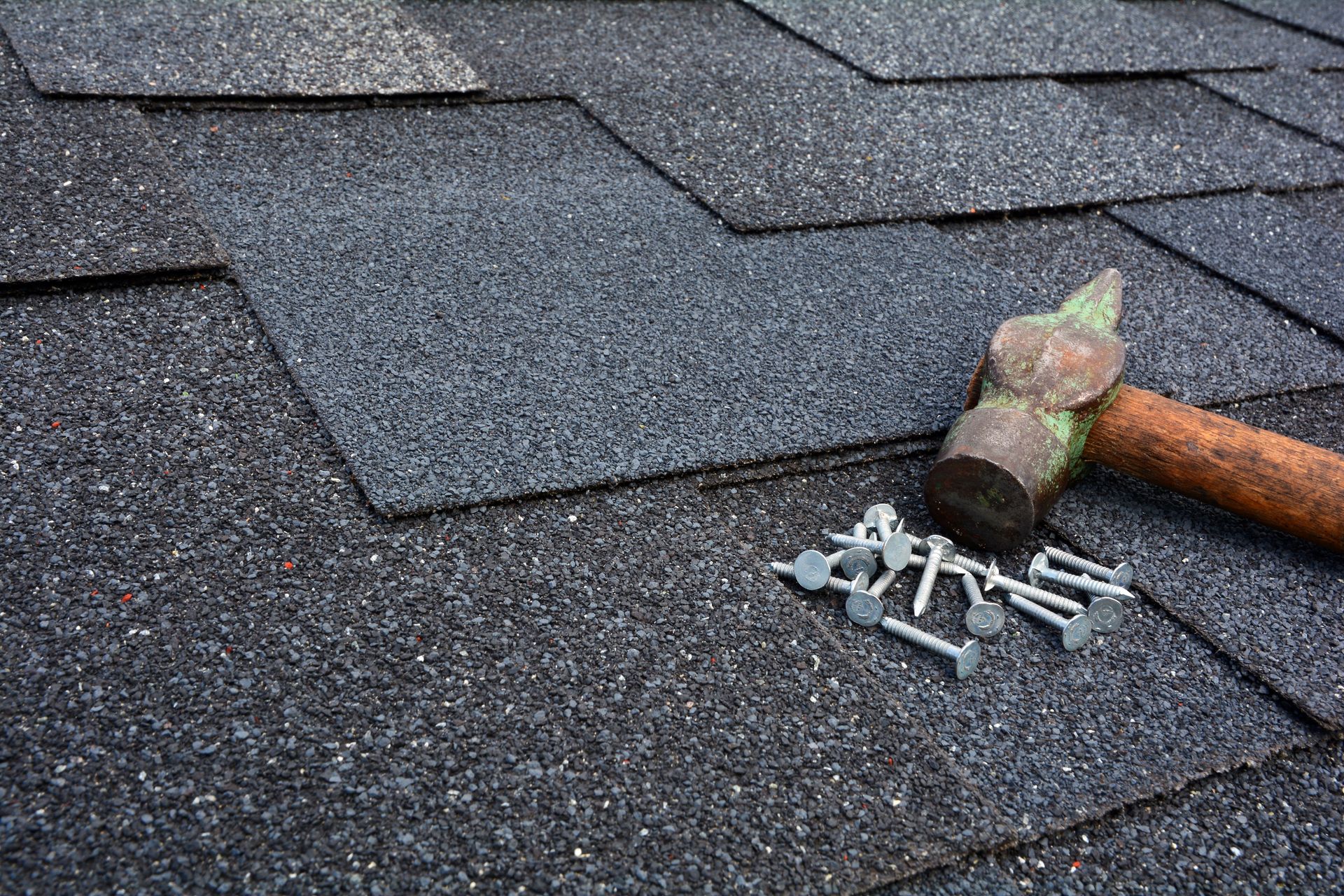
Maintaining a strong overhead barrier is an essential part of preserving the structural integrity, safety, and overall value of any home or commercial building. Over time, continuous exposure to harsh weather conditions, falling tree debris, intense sunlight, and natural wear and tear can gradually weaken surface materials, leading to hidden moisture intrusion and compromised thermal insulation. Addressing these subtle issues early prevents minor defects from rapidly escalating into costly structural disasters inside the living space. Property owners often struggle to know where to begin when dealing with unexpected deterioration overhead. By following a structured and deliberate approach to roof repairs, you can safeguard your property, extend the lifespan of your shelter, and maintain a completely safe living environment for everyone inside. Understanding every phase of the process helps ensure that every fix is durable, comprehensive, and effective over the long run.
Inspecting the Property for Visible Damage
The initial step in managing overhead maintenance involves conducting a thorough visual examination of the entire surface and all surrounding components. Property owners should carefully look for missing, cracked, curling, or blistered shingles, as well as damaged flashing around chimneys, plumbing vents, and skylights. Clear water stains on ceilings or interior walls often indicate active leakage that demands immediate attention and careful assessment. Outdoor observations can also reveal clogged gutters full of displaced shingle granules, which signals that the protective surface layer is actively eroding under rainfall. Catching these early indicators allows homeowners to plan targeted roof repairs before internal timber structures suffer extensive water damage, wood rot, or widespread mold growth.
During the inspection process, it is equally important to examine the attic space and the underside of the structural deck. Sunlight shining through tiny cracks, damp or matted insulation, and dark streaks along wooden rafters all point toward vulnerabilities that require prompt restoration. Ensuring adequate ventilation and balanced insulation within the attic space also helps prevent destructive ice dams and excess moisture accumulation during colder winter months. Documenting all observed defects with clear photographs and detailed written notes creates a reliable reference point for ongoing maintenance planning. This careful evaluation ensures that no underlying structural issue is overlooked when planning comprehensive roof repairs for the property.
Identifying the Root Causes of Water Leaks
Finding the precise origin of moisture penetration can be surprisingly challenging because water often travels along rafters, support beams, and ceiling joists before finally dripping down onto living areas. Simply patching the surface directly above a ceiling stain is rarely sufficient if the true point of entry lies higher up along a sloped surface or near a distant ridge. Common culprits include cracked sealants around roof penetrations, damaged metal valleys where different roof planes meet, and lifted shingles caused by severe wind gusts. Analyzing natural water flow patterns helps pinpoint the exact failure point so that remedies address the primary source rather than just temporarily masking visible symptoms. Proper diagnostic efforts save significant time and financial resources during the execution of roof repairs.
Environmental factors and material age also play major roles in causing persistent structural leaks that damage properties over time. Accumulated organic debris like leaves, twigs, and pine needles can trap standing moisture against surfaces, accelerating material decay and allowing water to back up under protective shingle layers. Furthermore, severe weather events often cause localized impact damage from heavy hail or large falling tree branches. Understanding how these external forces interact with aging components enables property owners to implement effective long-term solutions. Addressing root causes directly prevents recurring leaks, preserving interior drywall, plaster finishes, and timber framing from repeated water exposure.
Selecting Quality Materials for Lasting Results
Choosing high-grade replacement materials is crucial for ensuring that completed fixes withstand future weather challenges and temperature fluctuations. Matching new components with existing materials maintains both structural compatibility and aesthetic cohesion across the entire surface of the building. Premium asphalt shingles, high-performance synthetic underlayments, corrosion-resistant metal flashing, and advanced sealants work together to form a resilient barrier against heavy rain, wind, and winter snow. Investing in superior quality products prevents premature breakdown and minimizes the need for frequent touch-ups over time. Careful material selection remains a foundational element of successful roof repairs that stand up against harsh weather conditions.
When considering extensive physical damage or widespread material aging, property owners must evaluate whether localized fixes or full structural restoration represents the best path forward. According to HomeGuide, replacing a roof typically takes 1 to 8 days, depending on the roofing material, roof size, pitch, and overall complexity. While smaller issues can be addressed quickly, understanding the overall scope of work helps set realistic expectations for project duration and overall budget allocation. Selecting durable, high-quality materials ensures that both minor fixes and major restoration projects deliver lasting protection and total peace of mind for property owners.
Executing Repairs with Proper Techniques
Implementing correct installation methods is vital to achieving a watertight seal and lasting structural integrity across all repaired areas. Proper technique begins with carefully removing damaged materials without disturbing adjacent sound components or weakening surrounding structures. Cleanly stripping away rotted underlayment, compromised flashing, or broken shingles prepares a clean, flat surface for new material integration. Specialized tools and precise fastening techniques ensure that every replacement layer is securely attached and properly aligned according to current industry standards. Skipping essential steps or rushing through application processes can lead to premature structural failure and additional water intrusion.
Sealing edges, overlaps, and physical penetrations requires meticulous attention to detail during every phase of practical work. High-quality sealants and self-adhering flashing tape should be carefully applied around vents, chimneys, and valleys where water naturally collects and flows during heavy storms. Ensuring that all fasteners are driven straight and completely flush prevents tears in underlying protective membranes and keeps surface shingles laid flat against the deck. When proper installation methods are strictly followed, roof repairs provide dependable protection against high wind uplift and moisture penetration, ensuring the entire structure remains dry and secure.
Maintaining the Roof Structure Over Time
Preventative care is the best way to extend the operational lifespan of an overhead structure and minimize the need for emergency fixes. Regular maintenance routines should include clearing leaves, twigs, and accumulated sediment from gutters and downspouts to allow proper water drainage off the structure. Trimming overhanging tree branches prevents mechanical surface damage from swaying limbs and significantly reduces the total amount of organic debris falling onto the surface. Periodically clearing valleys and low-pitch sections keeps standing moisture moving freely off the building. Consistent maintenance routines help protect recent investments made during roof repairs and prevent minor issues from escalating into major structural failures.
Scheduling routine professional evaluations periodically during the year, typically in spring and autumn, helps catch subtle signs of wear before they turn into severe problems. Professional technicians possess the technical expertise to spot hidden issues, such as micro cracks in flashing sealants or subsurface deck deterioration, that untrained eyes might easily miss. Establishing an ongoing care plan preserves material integrity and safeguards property value over time. Combining routine homeowner vigilance with professional oversight provides complete peace of mind and long-term structural reliability for the entire property.
Taking a systematic approach to maintaining and restoring your overhead protection preserves your property, prevents costly internal damage, and enhances total home value over time. From performing thorough initial assessments and diagnosing moisture entry points to selecting superior materials and applying correct installation techniques, every step plays a critical role in maintaining a secure structure. Regular maintenance further ensures that your investment remains resilient against harsh environmental elements year after year. When facing complex damages or planning essential roof repairs, partnering with experienced professionals guarantees safety and superior craftsmanship. To ensure your home remains completely protected with expert guidance and quality workmanship, contact Artistic Improvement.